Outsmart the game, not the other side
Most negotiation advice focuses on what to do once the conversation has started: how to build your arguments, where to set your anchor, when to make a concession. All useful. Experienced negotiators also ask an earlier question, before they sit down: what if the game itself is negotiable?
Negotiations rarely start with a blank sheet of paper. By the time you enter the room, someone has already defined the problem, the options, the budget, the timeline and, often without realizing it, what counts as a good deal. You are negotiating the deal, and you are also negotiating the conditions under which the deal will be negotiated. That second negotiation usually goes unnoticed.
The negotiation you do not know you are having
Imagine a customer tells you: “Your competitor is 12% cheaper. Can you match their price?”
It sounds like a price negotiation. Pause for a moment. Why are these two offers compared on price? Is the scope the same? Are the risks the same? Is the customer truly optimizing for price, or using price because it is easy to compare?
The visible negotiation is about €100 versus €88. The invisible one is about the comparison that made those two numbers the relevant question. Often, that is where the real room to move sits.
Think about your assumptions
Take every statement that sounds like a fact: “The budget is fixed.” “We have to sign this month.” “Procurement requires three bids.” For each one, ask yourself: do I know this, or do I assume it? Is it a real constraint, or something we can still explore? A constraint you have not tested is not yet a constraint.
Then ask a colleague who is not responsible for the deal to look at your plan with fresh eyes. You can even try a pre-mortem, a technique described by psychologist Gary Klein in Harvard Business Review. Instead of asking what might go wrong, you imagine that the negotiation has already failed, six months from now, and ask what went wrong. Maybe you misunderstood the real decision criteria. Maybe the decision had already been made somewhere else. Finding that out now gives you time to do something about it.
Ask the question behind the question
Every statement from the other side carries a frame. You do not need to push it away. You can explore it with curiosity.
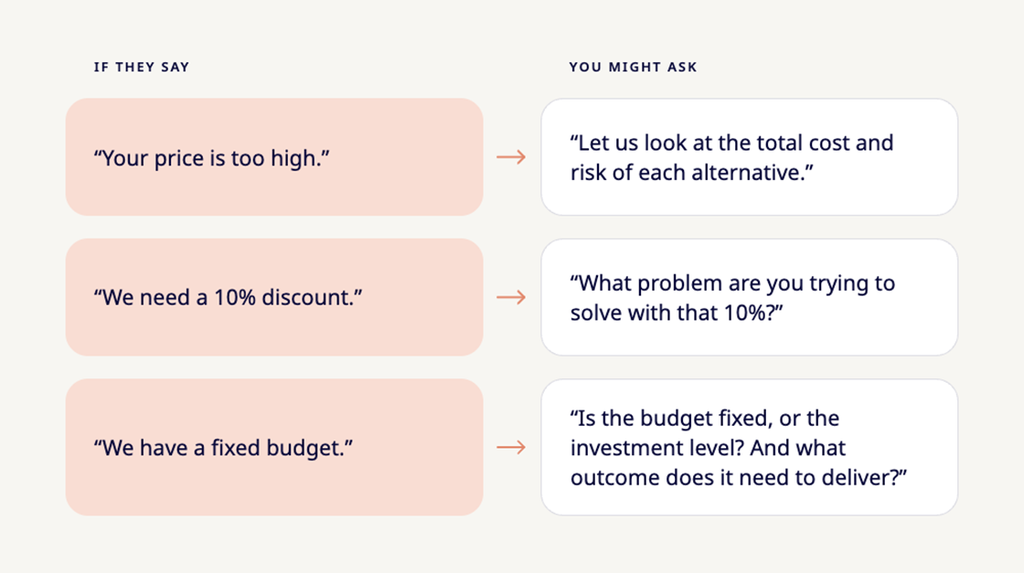
The question you ask shapes what you can talk about. “What is your best price?” opens a conversation about price. “What are you optimizing for?” opens a conversation about interests. “What would we design if we were not limited by the current proposal?” opens a conversation about possibilities.
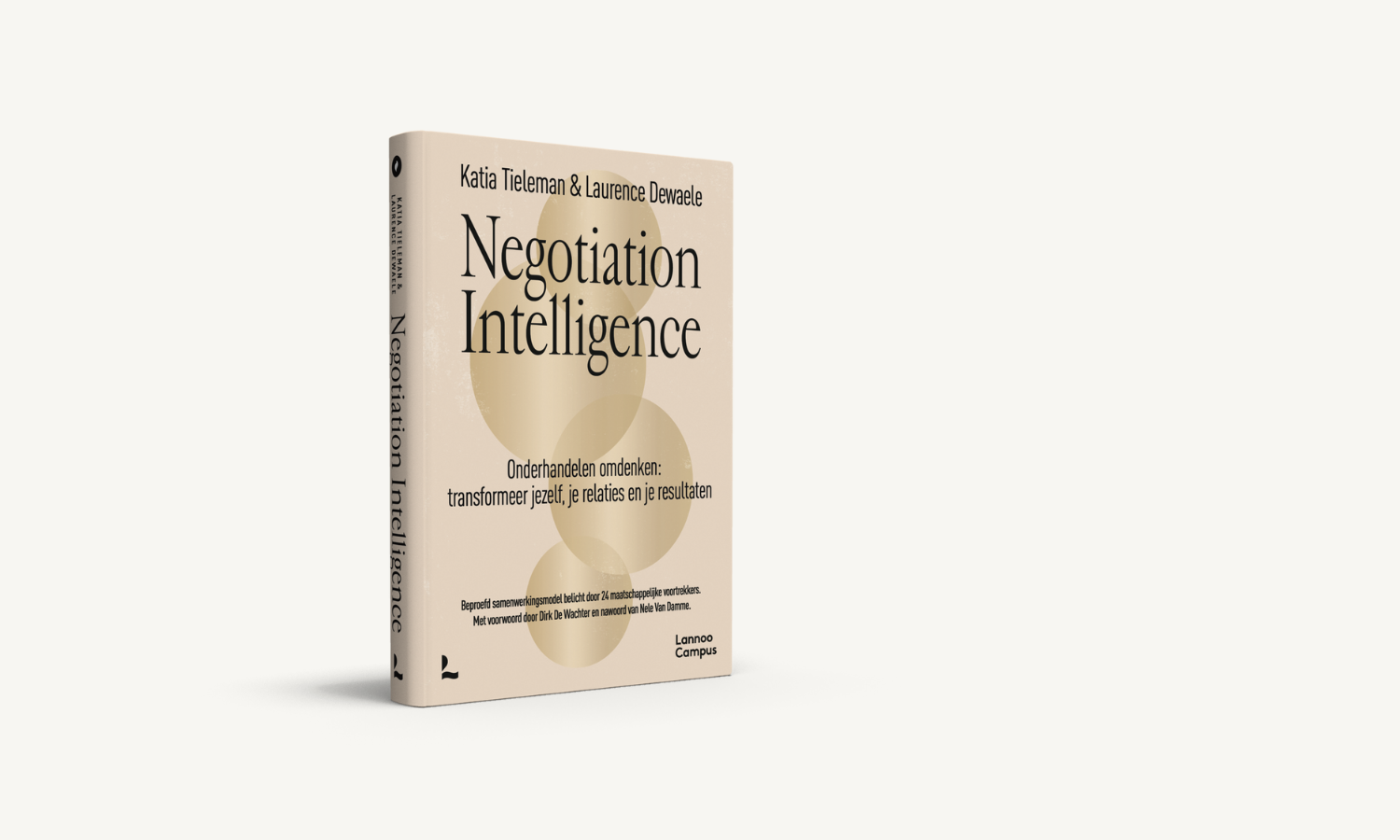
In the NQ® model, the inner guides help you here. The explorer is curious about the interests behind a position. The inventor looks for value that is still hidden. The game architect asks who defined the game, and whether it is the right one for everyone at the table. Together they move you from a contest over a number to a conversation about what you want to build.
So before you ask how to win this negotiation, ask what game you are playing. Then look at your assumptions, ask the question behind the question, and see what becomes possible.
Reference: Klein, G. (2007). Performing a project premortem. Harvard Business Review, 85(9), 18–19.