Ask most negotiators what wins a difficult negotiation, and few will say serenity. Speed, confidence, sharp arguments, and a strong opening offer tend to get the credit. A growing body of research tells a more complicated story: composure, not pressure, is often what decides who ends up with the better outcome.
What the research shows
Anxious negotiators tend to make lower first offers, exit the table earlier, and end up with smaller gains, according to research by Wharton’s Alison Wood Brooks and Maurice Schweitzer. The effect held even when the anxiety had nothing to do with the negotiation itself.
Stress, though, is not simply the enemy. Columbia Business School researchers measuring cortisol during salary negotiations found that rising stress hormones predicted worse outcomes only when people were left to interpret their own anxiety unassisted. When negotiators were coached to view that same physical stress response as useful rather than threatening, the relationship reversed: higher cortisol tracked with better results. What mattered was not the presence of pressure, but how it was held.
A related body of work on mindfulness points the same direction. In a series of studies published in Organizational Behavior and Human Decision Processes, researchers in Singapore found that negotiators who practiced a short mindfulness exercise beforehand were more likely to cooperate and to reach integrative, win-win agreements than those who did not.
Not every finding agrees. A large multi-study analysis led by the University of Washington’s Andrew Hafenbrack found that meditating immediately before a negotiation could lead people to claim slightly less value for themselves, a reminder that serenity changes what negotiators optimize for, not simply how much they win.
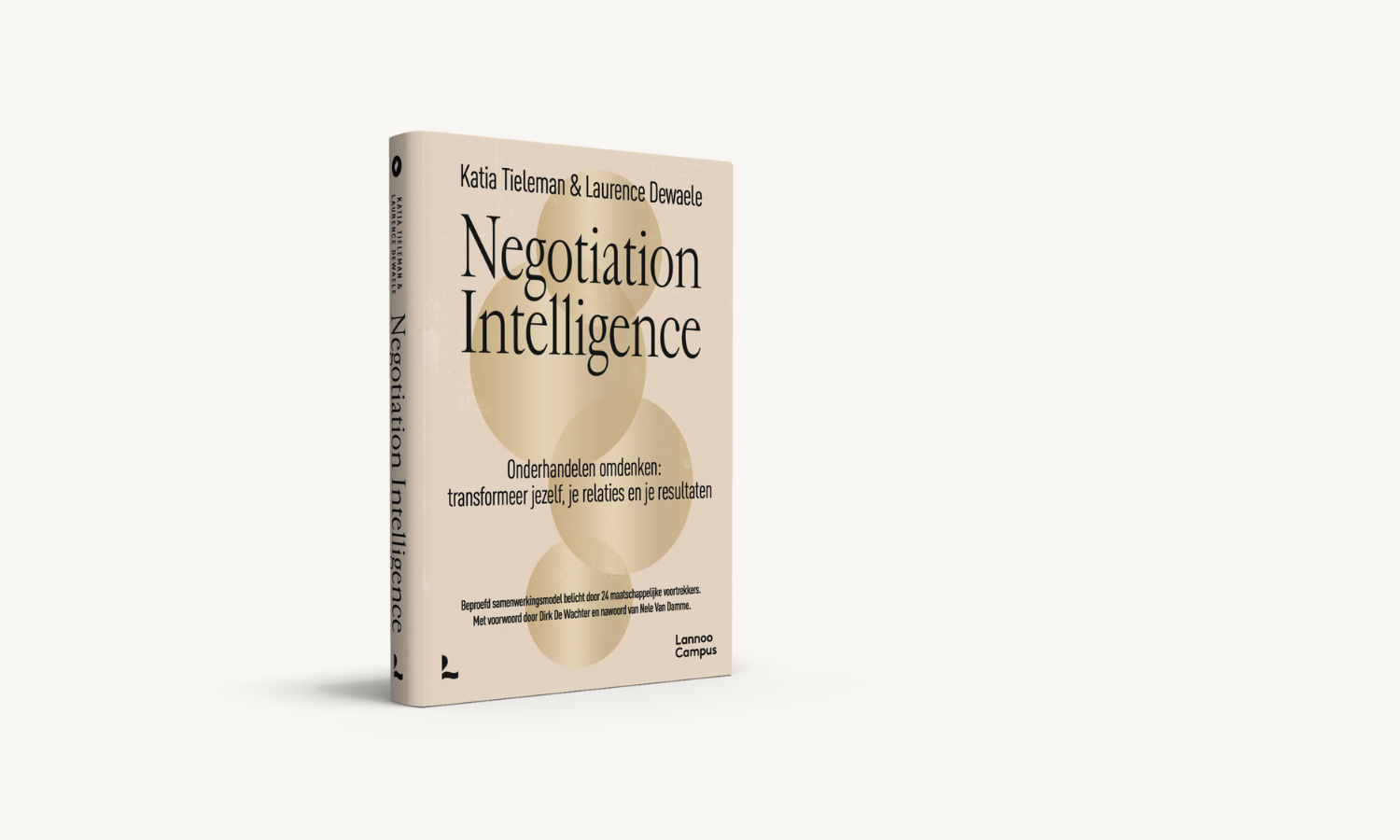
Taken together, this is something I write about at length in my book, Negotiation Intelligence: composure is not the absence of pressure. It is a skill, one that can be trained, and one that changes what a negotiator is capable of noticing, offering, and holding onto under stress.
Serenity in the room: the road to Paris
In December 2009, the Copenhagen climate summit collapsed. Two years of negotiation produced a short, vague agreement and no clear path forward. World leaders flew home to disappointed publics and one hard question hanging over the process: what now?
The obvious response to a public failure like this is to react. Explain it, fix it, relaunch it, fast, before the story hardens into a defeat. That reflex is exactly what serenity resists.

Jos Delbeke, who led the European Commission’s climate directorate through the years that followed, did not treat Copenhagen’s failure as a reason to rush. He and his team stepped back and began building the foundation for the next attempt, carefully, without urgency. His approach was not pressure. It was serenity. While the United States turned to other domestic priorities in the years after Copenhagen, Delbeke used the waiting time differently: building trust with China, one conversation at a time.
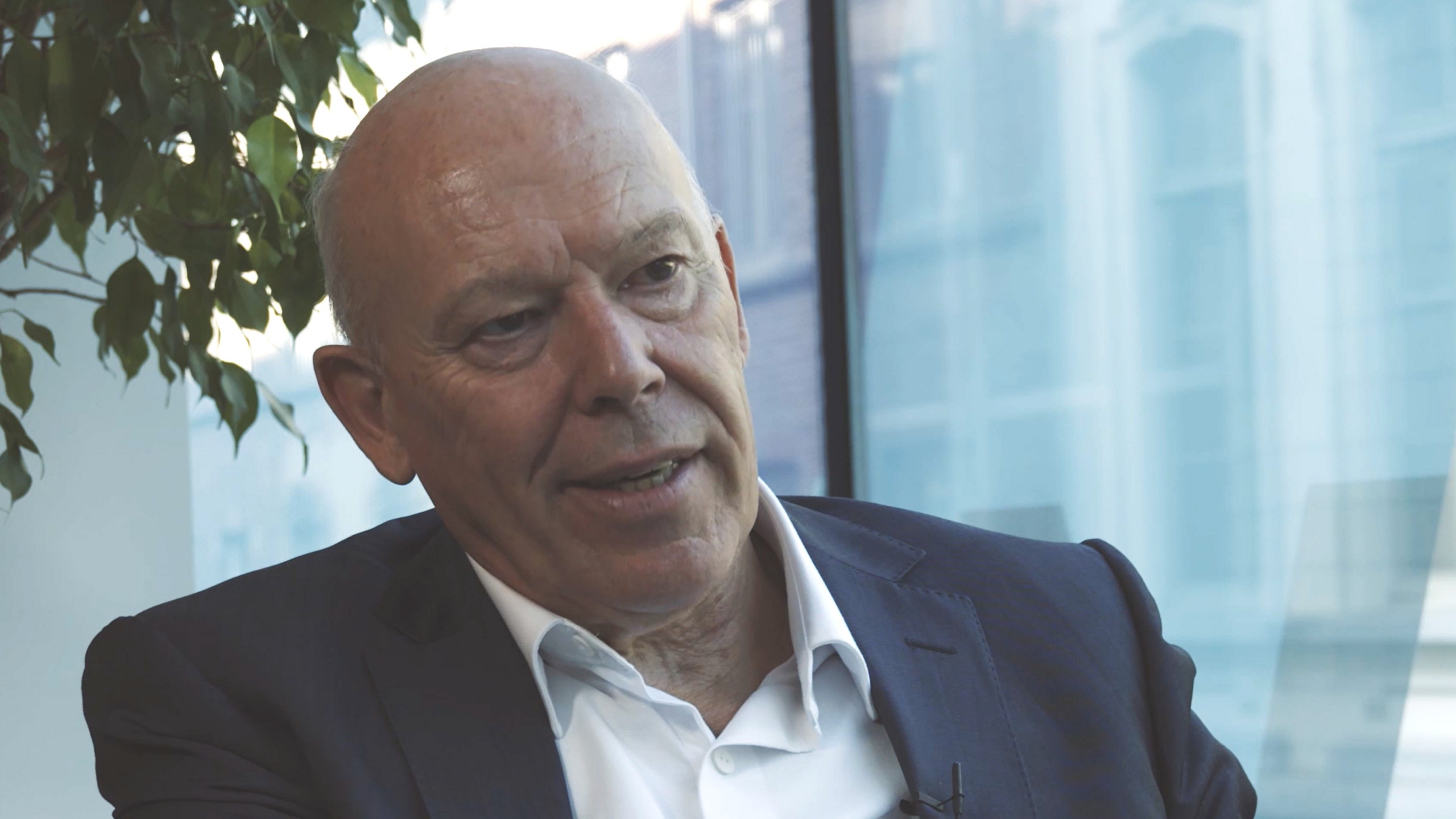
When I interviewed him for my book Negotiation Intelligence, Delbeke pointed out that the formal negotiations that produced the Paris Agreement took roughly six months. The six years before that were the real work.
That same composure showed up in smaller moments too. During one especially tense round of talks, the Turkish delegation grew visibly frustrated. A European commissioner walked into the room, said nothing about the tension, simply shook hands, and made a joke. The mood shifted, not through argument, but through someone who refused to let the room’s tension become his own.
It is a small moment, but it says something larger about Delbeke himself: a passionate mountaineer who plans a route with the same care before taking a single step. When I met him for the interview, he greeted me by asking, half joking, whether I would rather take the stairs than the elevator.
Six years after Copenhagen, in December 2015, nearly two hundred countries signed the Paris Agreement. Serenity, in this case, was not the absence of pressure. It was the ability to hold steady inside it, and it held for six years, until it worked.
A pattern that repeats: Belfast, 1998
It is worth placing this next to another negotiation : George Mitchell’s 700 days chairing the talks that led to the Good Friday Agreement, where his refusal to be rattled, including one seven-hour session in which he simply listened, became the anchor for the entire peace process.
Different table, different decade, same underlying discipline: staying steady long enough for a room to change around you.
What the NQ® scan keeps finding
Serenity is one of 24 capabilities measured in the NQ® scan. On average, it is the lowest-scoring of all 24 capabilities across the benchmark.
In my experience, the scan is often the first moment this becomes visible: not that someone lacks skill or strategy, but that staying steady under pressure is the part of their negotiation style that needs the most attention. Delbeke and Mitchell were not born with it. It is a capability that gets built, deliberately and in practice, table by table, and in Delbeke’s case, year by year.
This is what the NQ® model calls shaping the game: setting your own tempo instead of reacting to someone else’s, and trusting that the right pace is sometimes the slowest one in the room. If serenity is the weakest link in most negotiators’ profile, it may also be the one with the most room to grow.