
How VRT built a new negotiation culture from the inside out
VRT’s negotiation challenge
VRT, the Flemish public broadcaster, operates at a unique crossroads. As a public institution with a clear societal mission, it simultaneously competes in one of the most rapidly evolving sectors in media. Technology, digitalization, shifting audience behaviors, and the pressure to innovate while staying true to its public mandate: VRT navigates complexity every single day.
And complexity, at its core, is a negotiation challenge.
When VRT decided to invest in negotiation as an organizational capability, the ambition was clear from the start. This was not about closing better deals. It was about building a culture of collaboration, trust, and value creation across the entire organization.
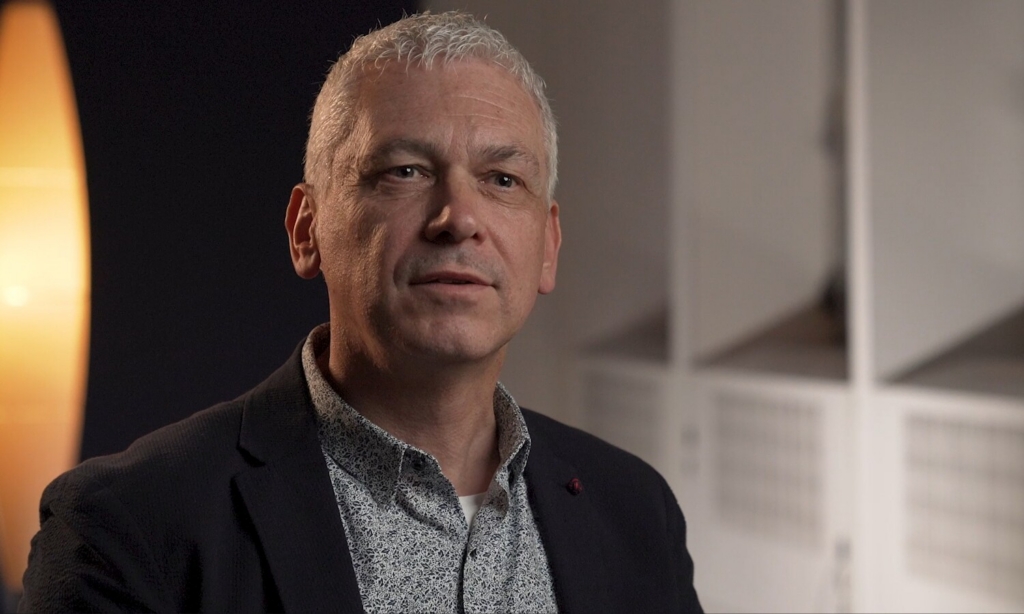
The real eye-openers for me were discovering what drives the other side, and realizing that the person across the table rarely negotiates alone. Behind them are often many others with their own stakes in the outcome.
Rino Ver Eecke • Head of Radio 2, VRT
Negotiation as an organizational capability
VRT’s leadership recognized that many of the organization’s biggest challenges were fundamentally negotiation challenges. Aligning stakeholders across silos. Navigating internal tensions between strong brands under one roof. Finding creative solutions in an environment of scarcity and rapid change.
The goal was to sharpen the organizational mindset, to get the best out of people and each other, in a way . Not just win-win, but win more, win more, towards value X.
The question was not whether to invest in negotiation capability. The question was how to do it in a way that would actually stick.
A multi-year NQ® learning journey
Prof. Dr. Katia Tieleman and VRT designed a multi-year learning journey rooted in the NQ® model. The program was built around a core group of 18 people in the first year, with the explicit ambition to turn them into NQ® ambassadors within VRT. The program combined individual NQ® scans, group workshops, and one-on-one coaching. The NQ® scan gave participants a science-based starting point: a clear picture of their negotiation profile, strengths, and development areas. What made the program distinctive was the combination of depth and breadth. Participants did not just learn techniques. They were challenged to examine their own mindset, their habits, and the convictions that shaped their choices at the table.
From individual skills to organizational culture
The results went beyond individual skill development. Over three years, the journey moved through three distinct phases: building knowledge and capability in year one, broadening NQ® across the organization in year two, and anchoring new ways of thinking into processes and culture in year three. Participants consistently described the program as immediately applicable to their daily reality at VRT.
What participants noticed most was not a new set of techniques. It was a shift in perspective. The NQ® scan gave each person a concrete starting point, a mirror that made the invisible visible. From there, the work deepened. Conversations that had stalled began to move. Negotiations driven by position became explorations of shared interest. The four keys of the NQ® model became a shared reference, something people could return to under pressure, and a language that kept living well beyond the training room.
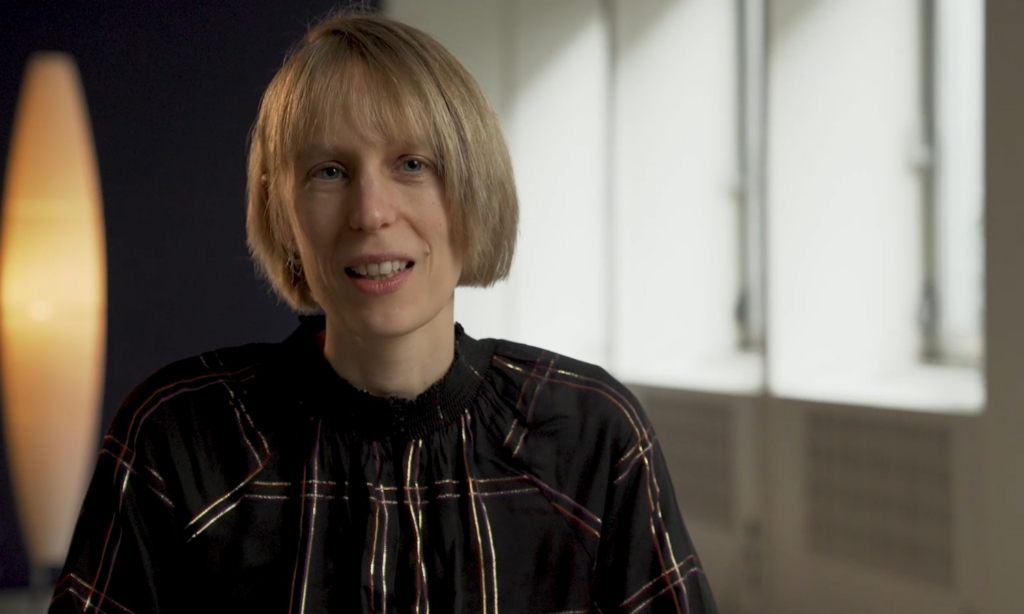
The NQ® model has had a real impact on the way I negotiate. I always have the four keys in mind. It gives me genuine peace of mind knowing I have a framework to fall back on, one I can actually work with.
Marijke Celis • Head of Data & AI, VRT
What this means for your organization
VRT’s journey is one example of what becomes possible when an organization commits to negotiation as a strategic capability rather than a one-off intervention.
The building blocks, NQ® scan, learning journeys, coaching, are the same for every client. The combination, the timing, and the ambition are always yours.
If you recognize VRT’s challenge in your own organization, we would like to have that conversation.
Talk to Tinka
